
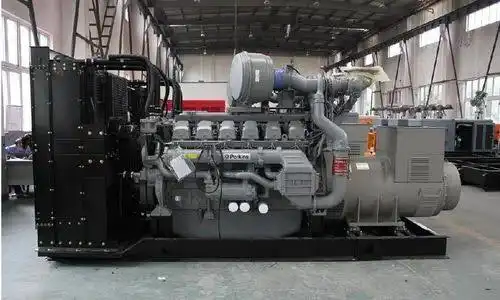
Purchasing an industrial generator is a major investment that directly affects your factory’s productivity and operational reliability. Unfortunately, many businesses rush into the buying process without considering key factors, leading to frequent breakdowns, high maintenance costs, and wasted resources. Here are the top mistakes you must avoid when buying a generator.
1. Underestimating Power Requirements
One of the most common mistakes is buying a generator that cannot handle the factory’s full load. Undersized generators struggle to keep up with demand, causing overheating, reduced efficiency, and shorter lifespan. Always calculate both running and starting loads, and consider future expansion before choosing a capacity.
2. Ignoring Fuel Type Considerations
Choosing the wrong fuel type can result in unnecessary expenses and operational issues. Diesel generators are the most common choice due to fuel availability and durability, while gas generators are quieter and cleaner but require infrastructure. Match your generator to your location, industry needs, and long-term cost considerations.
3. Focusing Only on Upfront Cost
It’s tempting to buy the cheapest option, but low initial costs often mean higher running expenses. Poor fuel efficiency, frequent breakdowns, and lack of spare parts can quickly outweigh the savings. Always evaluate the total cost of ownership (TCO), including fuel, maintenance, and spare parts availability.
4. Overlooking Brand Reputation and Support
Not all generator brands are equal. Trusted names like Cummins, CAT, and Finning are renowned for durability and strong after-sales service. Buying from unknown or unsupported brands may leave you stranded when parts or repairs are needed. Always choose a reputable supplier with local service and spare part access.
5. Skipping Professional Load Assessment
Many companies buy generators without a professional site survey, relying instead on rough estimates. This often leads to oversized or undersized purchases. A proper load assessment ensures you buy a generator that matches your operational requirements, preventing wasted investment and maximizing efficiency.
6. Neglecting Installation Requirements
Even the best generator will underperform if installed incorrectly. Ignoring ventilation, soundproofing, or safety codes can cause overheating, noise complaints, and compliance issues. Always budget for professional installation that considers site layout, space, and fuel storage requirements.
7. Forgetting About Maintenance and Service
A generator is only as good as its upkeep. Many buyers overlook ongoing service needs when budgeting. Regular maintenance, access to spare parts, and 24/7 support are critical for long-term reliability. Consider service contracts for predictable costs and reduced downtime.
8. Not Considering Future Needs
Factories expand, equipment gets added, and power demand increases. Buying a generator that meets only current needs is a mistake. Always plan for at least 20–30% extra capacity to accommodate growth and avoid replacing your unit too soon.
9. Ignoring Safety Features
Skipping essential safety features like automatic shutoff, overload protection, or remote monitoring can be costly. These features prevent accidents, protect equipment, and ensure safe operations. Never compromise on safety for the sake of price.
10. Buying Without Warranty or Supplier Guarantee
Generators without warranties or reliable supplier backing expose you to high risk. A solid warranty protects your investment and ensures accountability. Always confirm warranty terms, service agreements, and the supplier’s credibility before finalizing the purchase.
Conclusion
A generator is more than just a backup machine—it’s an essential part of your factory’s productivity and reliability. By avoiding these common mistakes—such as underestimating load, ignoring fuel type, or focusing only on upfront cost—you’ll ensure a smart investment that delivers dependable power for years to come.