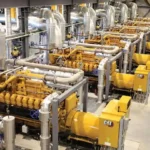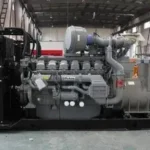

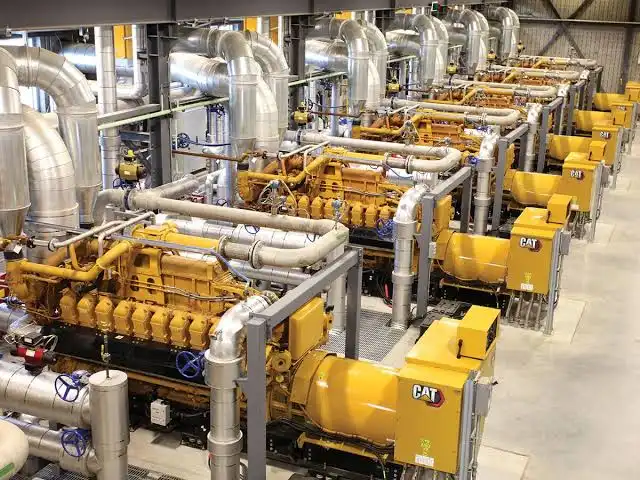
In today’s competitive industrial landscape, uninterrupted power is not just a convenience—it is a necessity. Manufacturing facilities depend heavily on stable energy to keep production lines running, equipment functioning, and deadlines on track. Generators play a vital role in ensuring efficiency by providing reliable backup and supplemental power to minimize downtime. Here’s how generators contribute to manufacturing efficiency and business growth.
1. Ensuring Uninterrupted Production
Even a few minutes of power outage can disrupt operations, damage materials, and halt productivity. Generators provide seamless backup power, ensuring that machines, tools, and assembly lines continue to function without interruptions, ultimately saving businesses from costly downtime.
2. Protecting Sensitive Equipment
Manufacturing facilities often rely on advanced machinery and automated systems that are highly sensitive to voltage fluctuations. Generators stabilize power supply during outages, protecting equipment from sudden shutdowns, surges, and potential damage, thereby extending their lifespan and reliability.
3. Supporting Peak Load Demands
During high production periods, electricity demand often exceeds the grid’s supply. Generators help meet these peak load requirements, ensuring factories can operate at full capacity without delays or interruptions. This flexibility boosts overall efficiency and responsiveness to market demand.
4. Reducing Downtime Costs
Downtime in manufacturing can result in missed deadlines, dissatisfied clients, and financial losses. Generators provide a reliable safety net that prevents work stoppages, allowing businesses to maintain smooth operations even during unexpected outages or grid instability.
5. Enhancing Worker Productivity
Power outages not only impact machinery but also affect workers who depend on a steady workflow. Generators ensure employees can continue their tasks without interruption, reducing idle time and keeping morale high. A stable power supply directly translates into higher workforce productivity.
6. Supporting Automation and Technology
Modern manufacturing relies heavily on automation, robotics, and digital monitoring systems, all of which require consistent power. Generators ensure that these technologies function continuously, enabling manufacturers to achieve higher precision, consistency, and efficiency in production.
7. Strengthening Business Reputation
Delivering products on time is essential for building customer trust. By ensuring uninterrupted operations, generators help manufacturers maintain commitments and safeguard their reputation in highly competitive markets. Reliable power demonstrates professionalism and reliability to clients.
8. Long-Term Cost Efficiency
Although investing in generators may seem costly initially, the long-term savings from reduced downtime, fewer equipment breakdowns, and improved productivity far outweigh the expense. Generators serve as a long-term asset that protects revenue and ensures stable growth.
Conclusion
Generators are more than just backup systems—they are critical contributors to manufacturing efficiency. From reducing downtime and protecting equipment to supporting automation and meeting peak demands, they ensure factories operate at full potential. For manufacturers who aim to stay competitive, investing in reliable generators is not an option but a strategic necessity.