
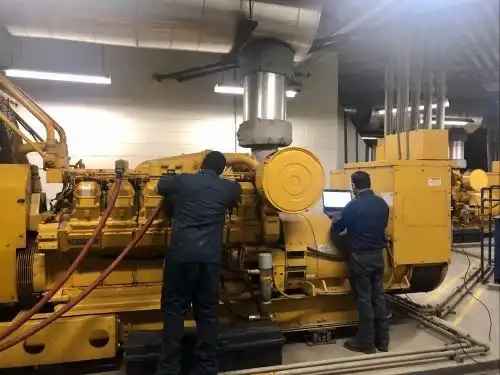
Generators are essential for uninterrupted operations in factories, hospitals, and commercial facilities. Early detection of problems can prevent costly breakdowns and extended downtime. This guide highlights the most common warning signs that a generator needs immediate maintenance and explains the likely causes and urgent actions to take.
1. Unusual Noises
Grinding, knocking, or rattling sounds during operation often indicate mechanical problems—worn bearings, loose components, or failing alternator parts. If you hear unfamiliar noises, shut down the unit safely if possible and call a qualified technician to inspect and repair the issue.
2. Excessive Smoke or Foul Exhaust
Thick black, blue, or white smoke from the exhaust is a clear red flag. Black smoke suggests incomplete combustion or clogged air filters; blue smoke indicates oil burning (possible piston ring or valve wear); white smoke can mean coolant entering the combustion chamber. Stop operation and arrange immediate service.
3. Overheating
High operating temperatures or frequent temperature warnings point to cooling system failures—low coolant level, blocked radiators, failing water pumps, or thermostat issues. Overheating can cause severe engine damage quickly, so reduce load, monitor temperatures, and get professional maintenance right away.
4. Oil or Fuel Leaks
Visible leaks under the generator or smell of fuel indicate urgent problems. Fuel leaks are highly hazardous and increase fire risk; oil leaks can lead to low lubrication and catastrophic engine failure. Isolate the fuel source, avoid running the generator, and contact service immediately.
5. Difficulty Starting or Frequent Failed Starts
Repeated failure to start or long cranking times may be caused by weak batteries, corroded connections, clogged injectors, or starter motor issues. Maintain charged batteries and clean terminals, but if starting problems persist, schedule inspection and repair before you face a critical outage.
6. Abnormal Vibration
Excessive vibration during operation may signal misalignment, loose mounts, or damaged engine components. Persistent vibration not only reduces efficiency but also accelerates wear on parts. Turn off the generator and have a technician balance and secure the unit.
7. Reduced Power Output
If the generator can’t deliver its rated power or voltage fluctuates under normal load, there may be alternator faults, fuel delivery issues, or governor problems. Reduced output can jeopardize sensitive equipment—implement immediate troubleshooting and service.
8. Increased Fuel Consumption
A sudden spike in fuel usage often points to inefficiency caused by clogged filters, poor combustion, or underlying mechanical faults. Track fuel consumption trends and investigate unexplained increases to avoid unexpected operational costs.
9. Warning Lights, Alarms, or Error Codes
Modern generators include control panels that display alarms and fault codes. Never ignore these indicators—log the error codes and consult your manual or service provider for immediate diagnosis. These warnings are designed to prevent damage and should be addressed promptly.
10. Frequent Automated Shutdowns
Generators that repeatedly shut down under load may have safety interlocks, fuel delivery problems, or overheating issues. Recurrent shutdowns are a sign the machine is protecting itself—this requires urgent professional attention to identify and fix root causes.
Immediate Actions to Take
- Reduce or isolate load where possible to prevent further damage.
- Record symptoms and any displayed error codes for the technician.
- Do not attempt major repairs unless you have certified personnel.
- Contact your service provider for emergency support—ideally a team offering 24/7 response.
- Keep a maintenance log and ensure routine checks to prevent future issues.
Preventive Measures
Regular preventative maintenance is the best defense against sudden failures. Implement scheduled inspections, change filters and oil on time, maintain battery health, and use genuine spare parts. Annual service contracts with trained technicians reduce the risk of emergency breakdowns and lower lifecycle costs.
Conclusion
Recognizing the early warning signs of generator trouble can save time, money, and operational headaches. If you notice any of the issues above—unusual noises, smoke, overheating, leaks, starting trouble, or alarms—act quickly and call qualified maintenance personnel. Timely intervention protects your equipment and ensures continuous power for critical operations.