
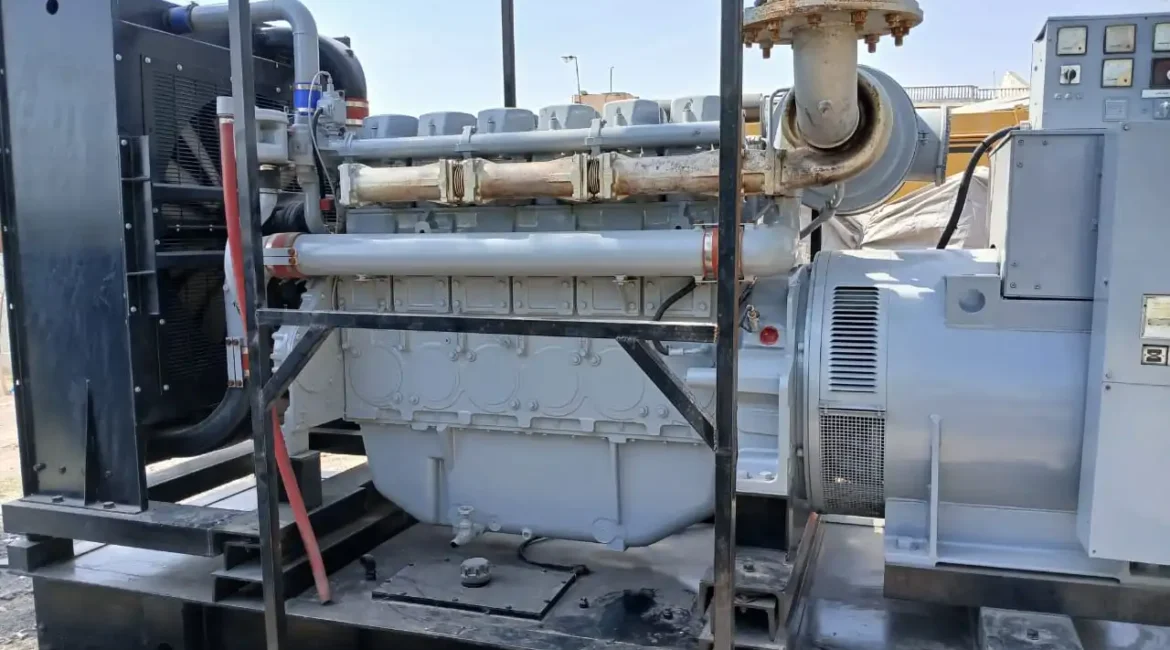
Running a factory requires an uninterrupted power supply. A sudden power outage can halt production, damage equipment, and cause major financial losses. That’s why investing in the right industrial generator is one of the smartest decisions factory owners can make.
Why Choosing the Right Generator Matters
Generators are more than just backup machines—they are the backbone of industrial productivity. A properly sized and reliable generator ensures:
- Continuous production even during long outages
- Protection of sensitive equipment from power fluctuations
- Reduced downtime and maintenance costs
- Increased efficiency and overall factory safety
Selecting the wrong type or size of generator, however, can result in underperformance, higher fuel consumption, and frequent breakdowns.
Step 1: Assess Your Power Requirements
The first step in selecting a generator is to calculate your total power load. Every machine in your factory has its own power consumption, usually measured in kilowatts (kW).
Key considerations:
- List all essential equipment: Include motors, compressors, conveyors, lighting, and safety systems.
- Identify starting vs running load: Some machines require extra power to start.
- Plan for future expansion: Choose a generator that can handle extra load if your factory grows.
A professional site survey can help you determine the exact load requirement and recommend the appropriate generator capacity.
Step 2: Choose Between Diesel and Gas Generators
Industrial generators typically run on either diesel or natural gas. Each option has advantages depending on your factory’s needs.
Diesel Generators
- Reliable and widely available
- Lower upfront cost compared to gas
- Higher efficiency under heavy loads
- Longer lifespan with proper maintenance
Gas Generators
- Cleaner emissions, eco-friendly option
- Quieter operation
- Lower long-term fuel costs
- Requires steady gas supply infrastructure
For most factories in Pakistan, diesel generators remain the preferred choice due to fuel availability and durability.
Step 3: Select the Right Brand
Reputation matters when it comes to industrial generators. Trusted brands like Cummins, Caterpillar (CAT), and Finning are well-known for their durability, efficiency, and after-sales support.
When choosing a brand, consider:
- Availability of spare parts
- Local service and maintenance support
- Warranty and reliability history
- Compatibility with your factory environment
Step 4: Decide on Prime vs Standby Generators
Not all factories have the same power requirements. Your choice depends on whether you need a generator as a primary source of power or only for backup.
- Prime Generators: Designed to run continuously and supply power for long durations. Ideal for factories in areas with unreliable electricity.
- Standby Generators: Used as backup during outages. Best for factories with stable grid connections but occasional power failures.
Step 5: Consider Installation and Space Requirements
Proper installation is crucial for performance and safety. Before buying, check:
- Space availability: Generators require adequate ventilation and clearance.
- Noise regulations: Factories near residential areas may need soundproof enclosures.
- Safety standards: Ensure compliance with local safety codes.
- Fuel storage: Diesel generators require secure storage tanks.
Hiring professional installers ensures your generator is set up correctly and safely.
Step 6: Evaluate Maintenance and Service Support
A generator is a long-term investment, and regular maintenance keeps it running efficiently. Always ask:
- Does the supplier provide 24/7 support?
- Are genuine spare parts available locally?
- Is there a service contract option?
- How quickly can technicians respond to emergencies?
Choosing a supplier with reliable after-sales support is just as important as selecting the generator itself.
Step 7: Budget and Total Cost of Ownership
While upfront cost is important, always consider the total cost of ownership (TCO). This includes:
- Fuel consumption
- Maintenance expenses
- Spare parts availability
- Operational efficiency
A cheaper generator may cost more in the long run due to higher fuel and repair costs.
Conclusion
Choosing the right generator for your factory is not just about price—it’s about reliability, efficiency, and long-term value. Start by assessing your power requirements, then decide on the fuel type, brand, and generator capacity. Finally, consider installation, maintenance, and after-sales support.
Investing in the right generator will protect your factory from downtime, ensure smooth operations, and provide peace of mind.