
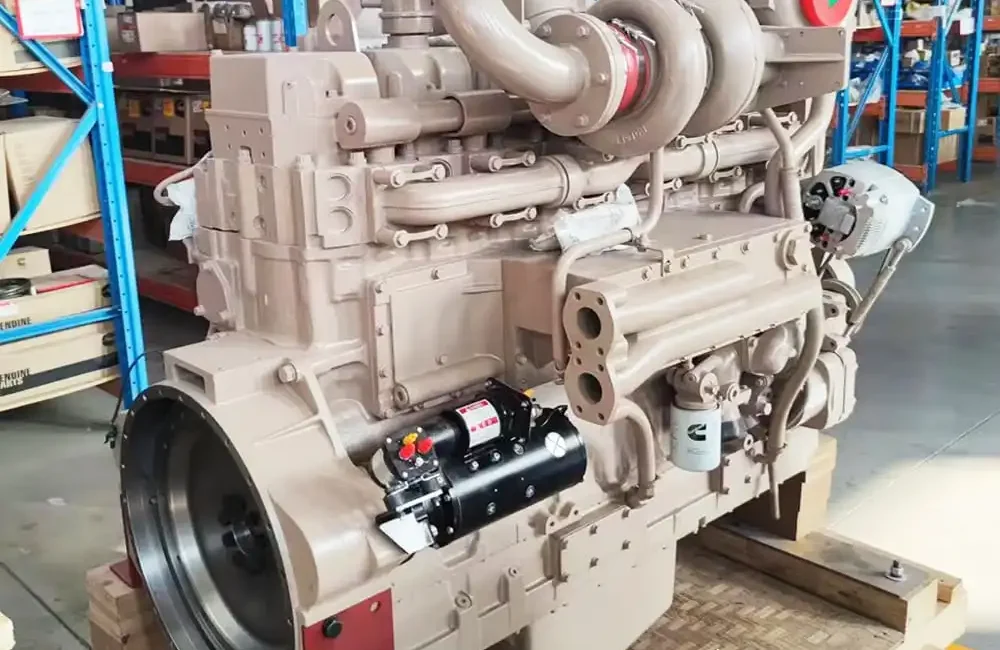
Spare parts are the unsung heroes of any industrial generator. Choosing the right components—especially genuine and high-quality parts—directly affects reliability, performance, and the overall lifespan of your generator. This article explains why spare parts quality matters, how poor parts accelerate wear and failure, and what steps you can take to protect your investment.
Why Spare Parts Quality Matters
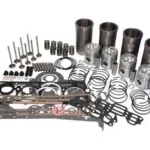
Generators operate under heavy loads and harsh conditions. Components such as filters, injectors, pumps, belts, and bearings must perform precisely to ensure smooth operation. Inferior parts can lead to inefficient combustion, increased vibration, and accelerated wear—resulting in more frequent breakdowns and costly repairs.
Common Low-Quality Part Issues
- Poor Fit and Tolerance: Non-genuine parts may have looser tolerances, causing misalignment and premature wear.
- Substandard Materials: Cheaper metals or rubber degrade faster, especially under heat and stress.
- Inconsistent Performance: Variability in part performance leads to inefficient operation and increased fuel use.
- Lack of Warranty or Support: Third-party parts often come without reliable guarantees or local support.
How Quality Parts Extend Generator Life
Using genuine, manufacturer-approved parts restores and preserves original equipment performance. High-quality components ensure proper fit, correct material specifications, and consistent behavior under load. The benefits include:
- Reduced Wear: Accurate tolerances and durable materials minimize friction and component fatigue.
- Improved Efficiency: Correct injectors, filters, and pumps ensure optimal combustion and lower fuel consumption.
- Fewer Failures: Reliable parts reduce the frequency of breakdowns and emergency repairs.
- Longer Service Intervals: Quality parts often meet or exceed OEM service life expectations, meaning fewer replacements.
Key Components to Always Source Genuine
Certain parts are critical to engine health and should always be genuine:
- Fuel Injectors: Precise fuel atomization affects combustion and power output.
- Air and Fuel Filters: Proper filtration protects the engine from contaminants.
- Gaskets and Seals: Prevent leaks that lead to oil or coolant loss and subsequent damage.
- Bearings and Belts: Ensure smooth mechanical operation and reduce vibration.
- Alternator Parts: Quality windings and bearings maintain electrical output stability.
Real-Life Costs: Short-Term Savings vs Long-Term Losses
Buying cheap parts may appear economical initially but often increases the total cost of ownership (TCO). Frequent failures lead to unplanned downtime, emergency repair fees, and potential collateral damage to other components. Investing in genuine parts reduces these risks and stabilizes operational budgets.
Choosing the Right Supplier
Select suppliers who provide certified genuine parts, clear warranties, and local support. Authorized dealers for brands like Cummins, CAT, and Finning can supply original components and technical assistance. Verify part numbers, packaging, and supplier credentials before purchase.
Maintenance Practices That Complement Quality Parts
Even the best parts need proper care. Follow recommended maintenance schedules, use the correct lubricants and fluids, and perform routine inspections. Keep a maintenance log to track part replacements, operating hours, and any recurring issues—this helps predict lifecycle events and plan replacements strategically.
Signs That Parts Are Failing
- Unusual noises after replacement
- Increased vibration or heat
- Higher fuel consumption
- Frequent alarms or fault codes
If these symptoms appear after fitting new parts, contact your service provider immediately to verify fitment and compatibility.
Recommendations for Industrial Operators
- Always prioritize genuine OEM parts for critical components.
- Work with authorized dealers offering parts verification and warranty.
- Keep spare parts inventory for fast response to failures.
- Implement scheduled preventive maintenance and monitoring.
- Train technicians in proper installation and diagnostic procedures.
Conclusion
Spare parts quality has a direct, measurable impact on generator lifespan, efficiency, and reliability. While lower-cost parts may reduce initial spend, they often increase long-term operational costs and risks. Choosing genuine parts, partnering with reputable suppliers, and maintaining a disciplined maintenance program will protect your investment and ensure uninterrupted power for critical operations.