
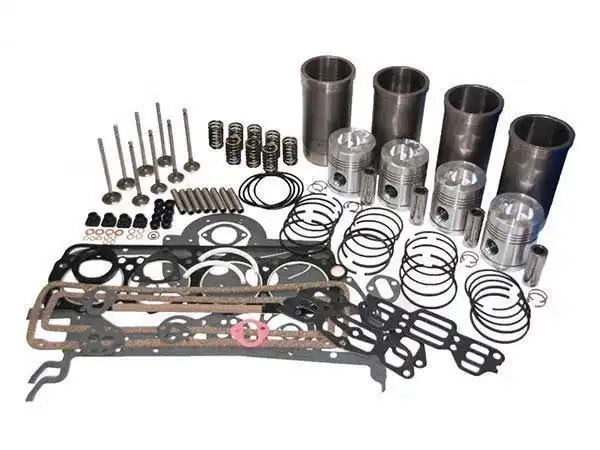
When it comes to maintaining industrial generators, spare parts play a critical role in ensuring efficiency, reliability, and safety. Yet many businesses face the dilemma of choosing between genuine manufacturer parts and cheaper local alternatives. While the upfront savings from local parts may seem attractive, the long-term consequences can be costly. Here’s a detailed look at the key differences between genuine and local spare parts.
1. Quality and Durability
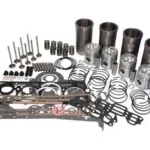
Genuine spare parts are manufactured under strict quality controls and meet international standards. They are designed to perfectly fit and function with your generator, ensuring consistent performance. Local parts, on the other hand, may lack quality checks, leading to faster wear and tear, frequent replacements, and potential breakdowns.
2. Compatibility and Fit
OEM (Original Equipment Manufacturer) parts are specifically engineered for your generator brand—whether it’s Cummins, CAT, or Finning. This guarantees proper alignment, smooth operation, and minimal stress on other components. Local alternatives often compromise on dimensions and specifications, creating compatibility issues that can damage surrounding parts.
3. Performance and Efficiency
Using genuine parts ensures your generator performs at its peak capacity, maintaining fuel efficiency and stable output. Local parts may hinder performance, increase fuel consumption, and cause irregular power supply—ultimately costing your business more in downtime and higher operational expenses.
4. Safety and Reliability
Generators operate in demanding industrial environments, where safety cannot be compromised. Genuine spare parts undergo rigorous testing to meet safety standards, minimizing risks of overheating, electrical faults, or accidents. Local parts may skip these standards, posing serious risks to both equipment and personnel.
5. Warranty and Support
Most generator manufacturers honor warranties only if genuine parts are used. Installing local spares often voids warranties, leaving you unprotected in case of failures. Genuine parts come with manufacturer-backed support, giving peace of mind and ensuring accountability in case of defects.
6. Long-Term Cost Considerations
At first glance, local spare parts seem cheaper. But when you factor in frequent breakdowns, shorter lifespan, and reduced efficiency, the total cost of ownership becomes much higher. Genuine parts, though more expensive upfront, provide long-term savings by extending generator lifespan and reducing maintenance frequency.
7. Availability and Supply Chain
Reliable suppliers of genuine parts maintain a consistent inventory, ensuring quick replacements when needed. Local parts may not always be available for specific models, forcing businesses into makeshift solutions that compromise performance. Partnering with a trusted supplier ensures steady access to genuine spares whenever required.
8. Impact on Resale Value
A generator maintained with genuine parts holds higher resale value because buyers trust its service history and reliability. Units repaired with local parts often lose value quickly due to uncertain performance records. Investing in genuine spares protects your asset’s market worth.
Conclusion
While local spare parts may seem like a budget-friendly option, the risks of reduced performance, safety hazards, and higher long-term costs far outweigh the short-term savings. Genuine parts not only extend your generator’s lifespan but also protect your investment, ensure safety, and deliver consistent performance. For businesses that rely on uninterrupted power, choosing genuine spare parts is the smart and reliable choice.